

Through the haze: A human rights perspective on wildfires in British Columbia
-
 General
 General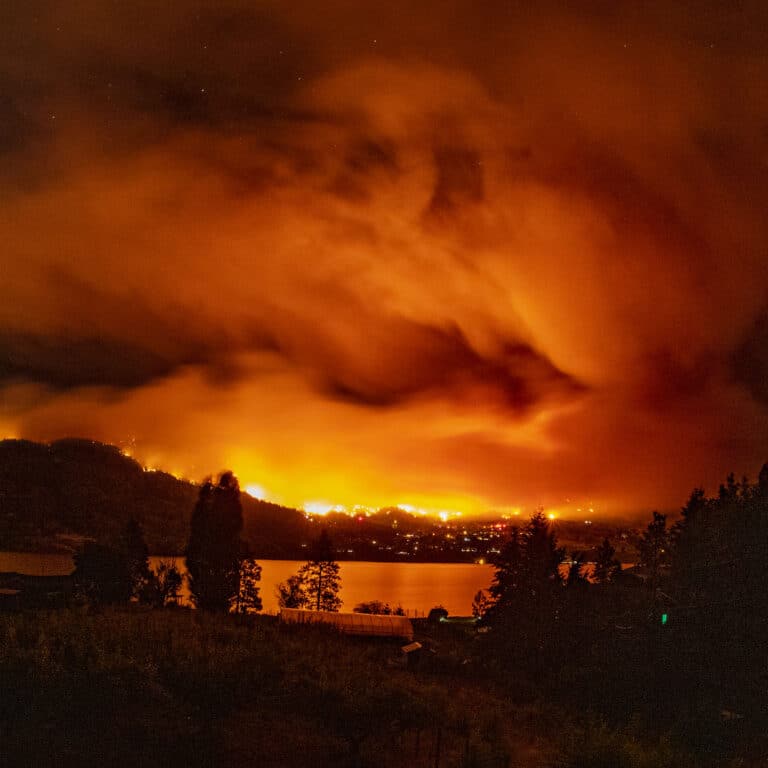
This report was created to open a conversation about the relationship between human rights and wildfires.
While wildfires are an important part of healthy lands, waters and communities in B.C., they have become larger, more severe and more disruptive in recent years. As a result, people across the province have experienced threats to their rights to life, health and security.
These impacts are not experienced equally. As Through the Haze describes, certain populations are more exposed to wildfires, less able to protect themselves and slower to recover than others. This is shaped by geography, income, age, disability, Indigeneity and whether one lives in a remote or rural community, and is intensified by infrastructure, service and governance arrangements.
If the version available via this page is not accessible for you, please feel welcome to contact our Office to request a printed copy or another format that meets your needs.
The Spotlight series
Through the Haze is the first of a series of “extended spotlights” on key issues facing people in British Columbia. The Spotlight series follows from the Commissioner’s 2024 report, Rights in Focus: Lived realities in B.C., which provides a snapshot of the state of human rights in the province and highlights key inequities and injustices related to ten major issue areas.
More resources
- Press release: Commissioner lays out human rights implications of wildfire response in new report
- Video: Through the haze: A human rights perspective on wildfires in British Columbia
Excerpt
The following is an excerpt from Through the Haze’s introduction:
Wildfires are an important part of healthy lands, waters and communities across B.C. In recent decades, wildfires in British Columbia have become larger, more severe and more disruptive. The average annual area burned has increased more than tenfold between 2000–2004 and 2020–2024—from 867 to 9,863 square kilometers per year.
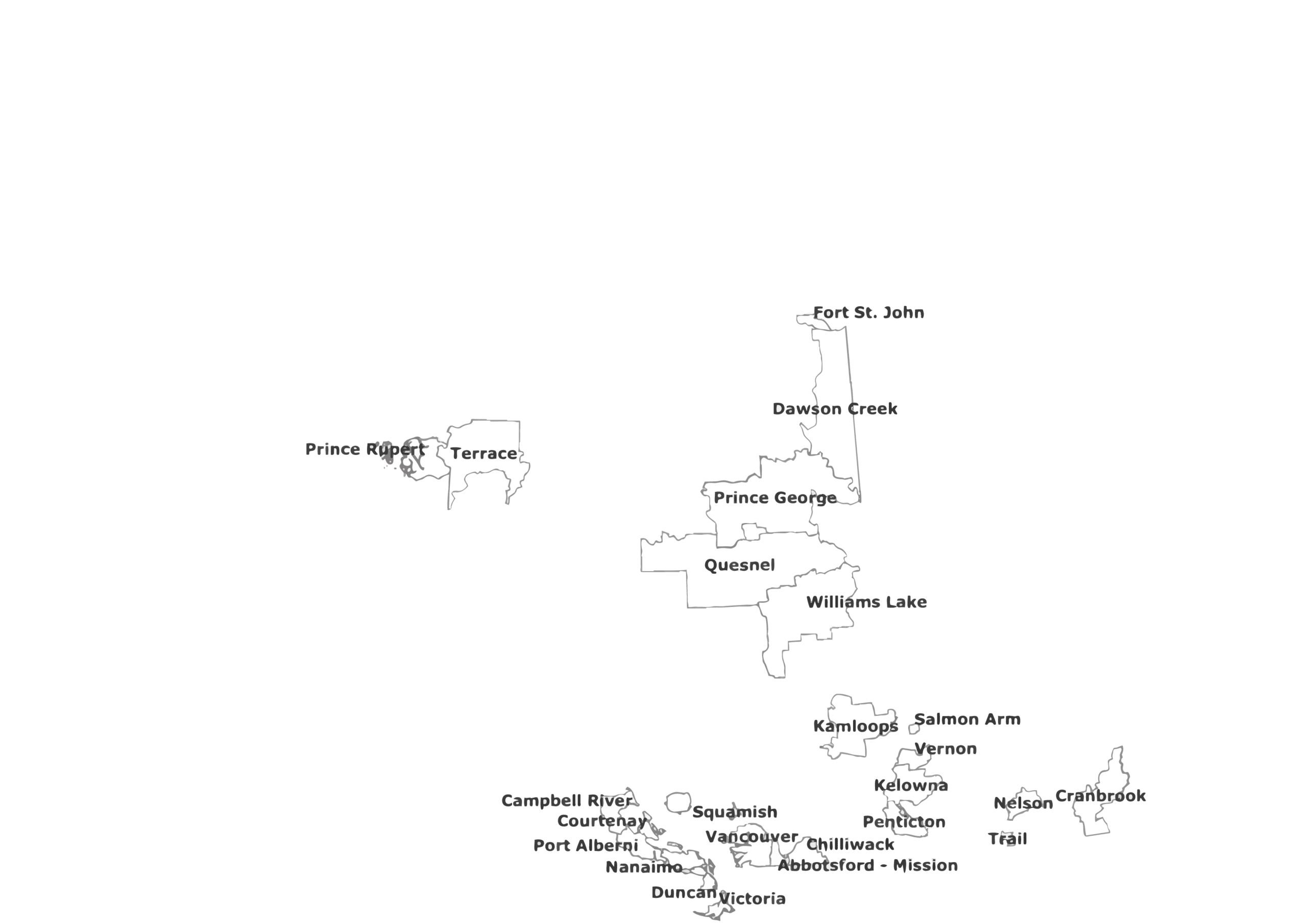
Area burned by wildfires in B.C. per five-year period, 2000–2024
Select date range(s):
Each checked box will have a corresponding description below.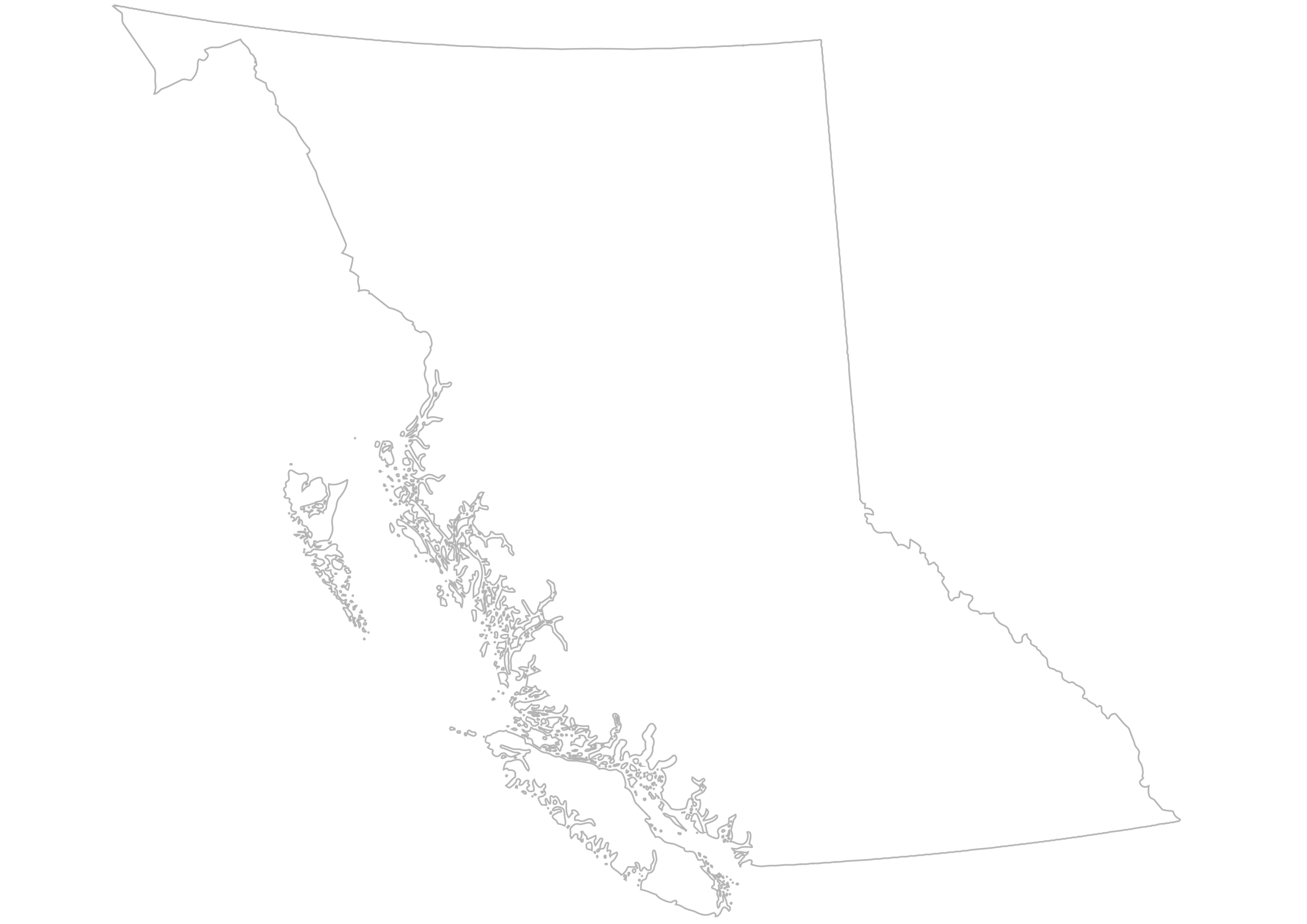





-
Map showing areas of land in B.C. burned by wildfires between 2000 and 2004
-
Map showing areas of land in B.C. burned by wildfires between 2005 and 2009
-
Map showing areas of land in B.C. burned by wildfires between 2010 and 2014
-
Map showing areas of land in B.C. burned by wildfires between 2015 and 2019
-
Map showing areas of land in B.C. burned by wildfires between 2020 and 2024
People across B.C. have experienced threats to their physical safety and mental heath, as well as disruptions to housing, health care, transportation, food systems, livelihoods and community life, particularly when wildfires displace entire communities.
There is also an associated economic burden. The Province spent an estimated $2.25 billion on wildfire suppression in the 2023–2025 period and Health Canada estimates annual costs of wildfire smoke to be between $410 million and $1.8 billion for short-term health effects and between $4.3 and $19 billion for longer-term effects.
Notably, however, the impacts of B.C. wildfires are not experienced equally. Some communities are more exposed to wildfires, less able to protect themselves and slower to recover than others, and some, such as Indigenous communities, face additional challenges because of historical and ongoing inequities.
Key factors affecting wildfire preparedness, risk and recovery include geography, income, housing, occupation, age, physical ability, Indigenous identity and whether one lives in a remote or rural community. For example:
- rural and remote communities—where Indigenous people make up a greater share of the population —are disproportionately exposed to wildfires and face unique challenges in responding to them
- children, older adults, people with disabilities and pregnant people are more vulnerable to health issues associated with wildfire smoke
- risks to people with disabilities are intensified when evacuation procedures fail to account for diverse accessibility and mobility needs
- wildfires disrupt Indigenous Peoples’ land-based practices and threaten cultural continuity and collective well-being
As this report discusses, many people fit into more than one of these categories, creating overlapping vulnerabilities. And as wildfires become an increasingly persistent feature of life in British Columbia, unequal impacts are becoming more pronounced.…